Live, work, study: Why 80 is the new 65 for some Kiwis in their retirement years
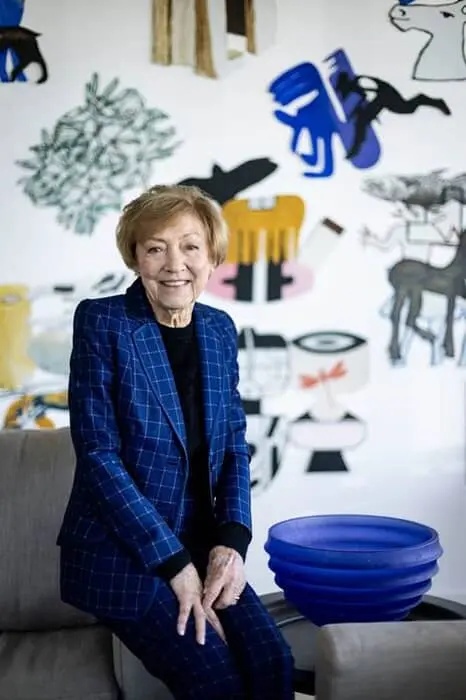

Senior Journalist·NZ Herald·
Turning 65 used to be synonymous with retirement. Yet, for many Kiwis, the satisfaction, financial security and identity of a job mean they’re working decades past the arbitrary age, writes Jane Phare.
You could say Sir Richard Faull is getting on a bit. The eminent neuroscientist turns 81 next month, yet he has no plans to stop researching the miracles and mysteries of the human brain.
Nor will he stop caring for the families who donate their loved ones’ brains to the University of Auckland’s Neurological Foundation Human Brain Bank.
In other words, he’ll keep on working. It’s what he loves; it’s consumed him for more than 40 years and he sees no reason to stop.
Last month, he flew to Boston to deliver a lecture at a symposium on Huntington’s disease. The day the Herald called he was helping a Taranaki family with a member suffering from a brain disease; and he was applying for a grant to keep the university’s brain research going for a few more years.
“So that’s pretty challenging but it keeps you sharp and keeps you motivated and it’s wonderful.”
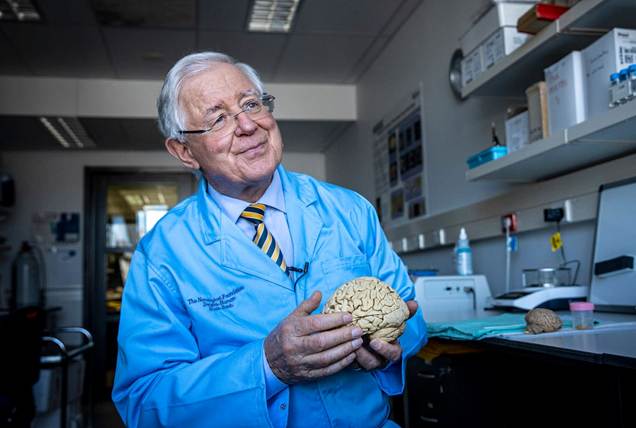
Neuroscientist Sir Richard Faull, 80, is not ready to stop researching the human brain in an effort to understand brain disease. Photo / Mike Scott
The word retirement is not part of his vocabulary.
“I’m not retiring, it would be stupid to stop doing what I love doing.”
However, he has eased back, dropping to part-time late last year after relinquishing his full-time role as director of the university’s Centre for Brain Research.
Faull is an example of how 80 is the new 65 in terms of retirement expectations. It’s an era in which elderly American men see no reason not to run for the presidency. Donald Trump has recently turned 80 and Joe Biden was 82 when he left office.
Closer to home, Auckland’s mayor Wayne Brown celebrated his 80th birthday this year, NZ First leader Winston Peters turned 81 and the Mayor of South Wairarapa, former Labour politician Fran Wilde, is 77. None of them look like they’re ready to sign up for a Meals-on-Wheels dinner while watching The Chase.
‘I expect to be adding value’
Pioneering businesswoman Dame Alison Paterson, 91, “retired” from the corporate world of either chairing or being a member of boards at age 85 when she stepped down as chair of power company Vector.
But she wasn’t much interested in playing bridge or joining the ladies-who-lunch circuit.
Instead, she studied for a master’s degree in art history at the University of Auckland, graduating with first-class honours last year.
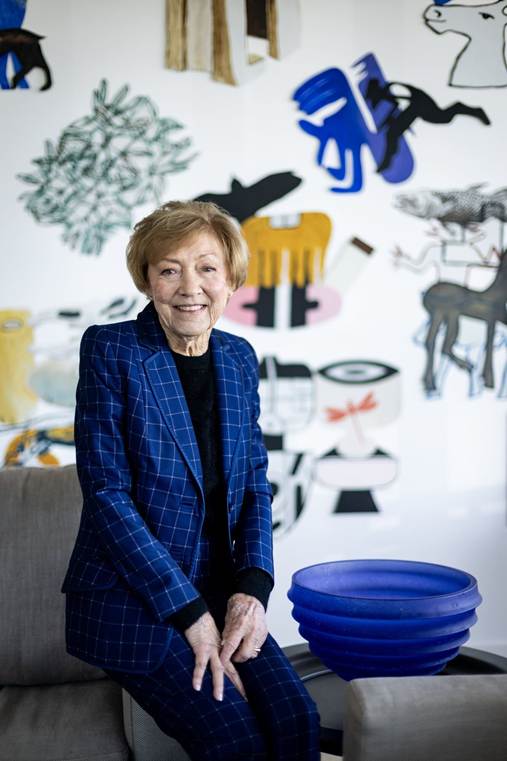
Dame Alison Paterson, 91, wasn't interested in joining a book club or playing bridge when she stepped down from corporate governance work at the age of 85. Photo / Dean Purcell
Paterson comes from a background in which the concept of retirement was not understood. She watched her “Granny Jones” work from dawn until dusk, feeding a large family and grandchildren from a 1.2ha plot of land in Kakahi, making everything from butter to soap by hand. The only respite she got from non-stop chores was when she died in her sleep, aged 80. Paterson’s step-father – her own father died when she was 3 – had the same work ethic.
A young Alison Glennie (her maiden name) learned to work hard, qualifying as an accountant, and to measure her effort in commercial terms.
“I’ve measured my time in six-minute intervals for most of my life. How can I continue to add value and hand on something that’s useful to the community?”
It’s a question she still asks. To that end, Paterson plans to make use of the skills she learned in her career in commerce and governance by writing a 40,000-word paper for an upcoming master’s in literature, examining the governance challenges for museums in a changing world.
“I expect to be adding value, not lying around having lunches.”
Faull is of the same mind. He might have cut back his hours, giving him more time with his wife, and see his nine grandchildren and three step-grandchildren, but the “heart and soul” still wakes each morning thinking about the brain.
By continuing to do what he loves, he stays engaged, retains networks and social interactions. It gives him a sense of purpose, he says and, importantly, exercises his brain.
“Do the things that give you a buzz,” he tells groups like the University of the Third Age (U3A) when he’s invited to speak.
“You need to have something that switches your brain on and keeps it active.”
‘It’s my passion’
Auckland business owner Helen McIntyre, 83, doesn’t need to work. She sold her large Grey Lynn home to a family member and bought a small inner-city apartment, leaving her with a chunk of cash. But she wouldn’t dream of giving up the shop, Buana Satu, which she’s run for the past 35 years, selling handmade crafts from New Zealand and Indonesia, furniture, and art.
“I do it because I really love doing it, it’s my passion.”
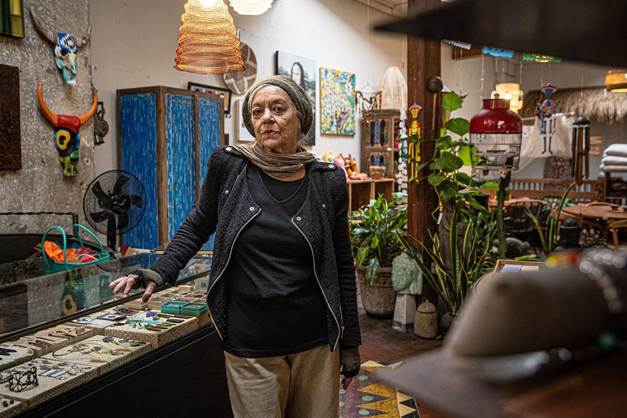
Helen McIntyre, 83, has no plans to retire from running her Karangahape Rd shop, Buana Satu. Photo / Jason Dorday
McIntyre adores her 54sq m apartment, a 10-minute walk from Buana Satu in Karangahape Rd, but says she wouldn’t want to sit in it all day, wondering what to do with her time.
“I could go travelling but then I’d be looking for things for my shop. I like to have something to do.”
As it is, her Indonesian-born husband, Yoedi Yono, 61, travels overseas buying items for Buana Satu. With that partnership, she’s looking forward to a few more years behind the counter, seven days a week.
McIntyre says she’ll be the first to know when it’s time to retire.
“So as long as I’m able to keep the books in order and [I’m] not making mistakes and not forgetting things, I’ll be here.”
The interaction with customers is important for her, too.
“I talk to lots of people. I have a lot of elderly people coming into the shop. I think they just like having a little wander around and then they like having a chat. It definitely bucks me up.“
Faull says keeping up social interaction in later years is essential for maintaining good mental health and combating the plague of the elderly, loneliness.
He urges older, retired Kiwis to keep doing what they love – “don’t do things that are a chore” – whether that’s reading, studying, listening to music, exercising or enjoying the opera.
“And do it with people. That’s the most important thing ever because we are social animals.”
The leisurely years
Not everyone wants or needs to keep working. Plenty of retired Boomers will happily chew up their Millennial kids’ inheritance on river cruises, luxury train journeys and guided tours of just about anywhere. Time in New Zealand is joyfully spent spoiling the grandchildren, driving to the beach house or joining e-bike friends on a cycle trail.
But for an increasing number of retired New Zealanders, working after the age of 65 is a must, particularly if they are still paying off a mortgage or renting. Some might also help care for grandchildren because their parents can’t afford daycare fees.
In 2001, 11.4% of Kiwis aged 65 and over were still working in either full-time or part-time work. Today, that percentage has risen to 27% (237,900 people), according to the latest Stats NZ Household Labour Force Survey, which suggested longer life expectancy, better health and fitness and financial pressures were behind the trend.
Aucklander Ron de Kieviet, 78, had a lifelong career in sales and marketing, primarily selling pharmaceuticals and medical devices, before being made redundant in his early 70s.
“I lost the company car and, of course, getting another position is just about impossible at that age. And I couldn’t survive on the superannuation, it’s just impossible in Auckland.”
Five years ago, he saw an advertisement for an English-language teacher on online jobseekers’ platform Seniors@work and thought he’d give it a go. Since then, he’s spent between 15 and 20 hours a week working for a New Zealand-based company, The English Farm, upskilling internationally based Japanese consultants in the business world.
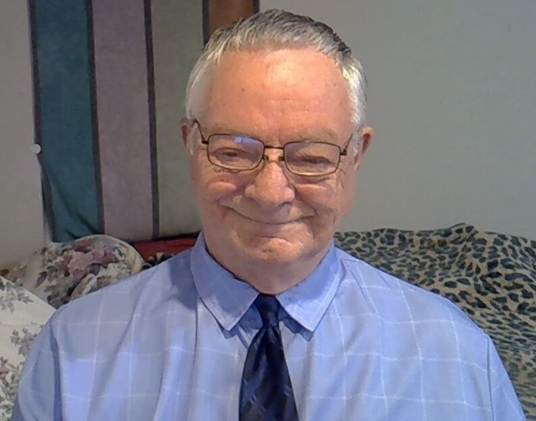
Aucklander Ron de Kieviet, 78, has no plans to retire.
Even if he didn’t need the extra income, de Kieviet says he’d still want to work.
“You have to keep your mind active. You can’t just vegetate and sit around doing nothing.”
He has no plans to retire from the job.
“I’m loving it. As long as I’m useful and benefiting those students, I will carry on doing it until I drop because all you have to do is sit in a chair in front of a computer and talk.”
But finding meaningful work later in life can be difficult. In his 50s, de Kieviet remembers the struggle to find a new job after being made redundant from a management position following a company merger. At subsequent job interviews, he was told he was over-qualified.
An Office for Seniors report last year indicated barriers older workers faced included lack of confidence, recruitment bias, discrimination, and a mismatch of skills and experience to available jobs. Although ageism might be illegal under the Human Rights Act 1993, older job seekers say it still exists.
“People see the white hair and dismiss you,” one older worker said.
Faull acknowledges he’s in a privileged position compared to many older Kiwis who find themselves “hung out to dry” when their jobs disappear.
“I mean that’s terrible, absolutely terrible.”
Retirement Commissioner David Boyle would like employers to view older workers as assets with experience who may not necessarily want to climb the corporate ladder.
“They’re there because they want to do that job...and they’ll commit to it as well.”
People are living longer and, for many, 65 is no longer the finish line either because they need or want to work, he says.
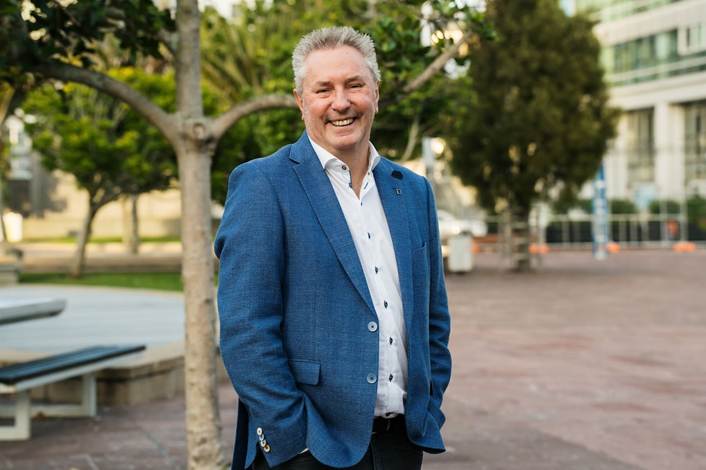 Retirement Commissioner David Boyle.
At 61, Boyle is at the beginning of a three-year term in a job that “ticks all the boxes” for him. If he does a good job, he says, he hopes to extend his years as Retirement Commissioner beyond the age of 65. He can’t imagine sitting idly at home.
“I think I’ll always be doing something, whether it’s paid or unpaid.”
He also wants to use his financial knowledge to help others. Boyle knows about money. As a youngster, he helped his parents count the takings from their daily milk run. He later worked in banking, starting as a teller in the Post Office Savings Bank, in fund management and in public-service roles involving financial wellbeing. None of that he wants to go to waste.
The Retirement Commission’s free online personal finance platform, Sorted, and its spending calculator, Retirement Navigator, can help with financial planning, and Boyle recommends Kiwis approaching retirement should engage a financial planner if they can.
“We need to make sure that our savings live as long as we do in our retirement years,” he says.
But if there’s one piece of advice he wants to impart, it’s about planning, not just financially, but figuring out what retirement years will look like after the send-off from the company.
He’s known colleagues who have retired from senior roles without a retirement plan.
“When they finish work, there’s this big gap and it can be very emotionally challenging.”
Finding a hobby, giving back to the community, or using knowledge gained in a career to help others can instil a sense of purpose and feelings of self-worth, he says.
The opportunity to keep working
Dr Deepika Jindal, a teaching fellow at the University of Auckland, has a particular interest in job and career “crafting”, where a person proactively reshapes their job or career to suit their strengths, interests and abilities.
She’s also researching how that applies to older people, either in paid or unpaid work. Jindal is only 50, but she’s already thinking about what her own retirement years will look like.
“Just because somebody reaches a certain age does not mean that once they were so useful, so important, [but] now they are no longer useful.”
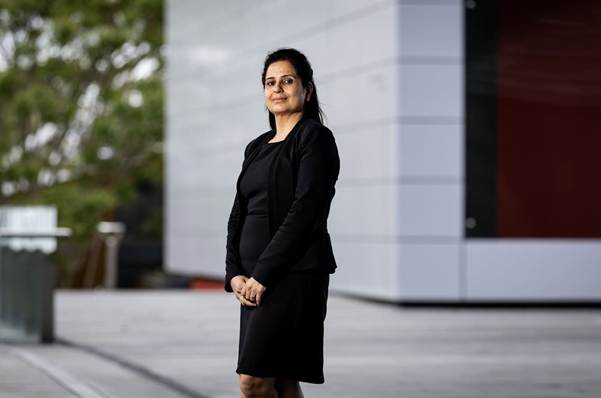
University of Auckland teaching fellow Dr Deepika Jindal is studying the wellbeing and economics of an ageing workforce. Photo / Dean Purcell
Those who want to keep working should be given opportunities.
“People who are 65 plus have gathered decades of experience, expertise, they’ve got such strong networks, they’ve got stories of failures and successes. So I think from an economic perspective, from a business perspective, if that is not used it is going to waste.”
The importance of social connection through work, paid or unpaid, should not be underestimated, she says.
“People get a lot of their identity and meaningfulness out of life through the work they do ... and when that goes away, it brings in a lot of loneliness. And loneliness has a direct impact on one’s wellbeing.”
Jindal says she’s seen people give their all to a career or employer and then be cast aside.
“You don’t take care of your own health, you don’t go to all family commitments, you work till late, you do everything for the organisation and suddenly you are no longer needed. To my mind, even if we keep aside the economic rationale and the social dimension, it’s simply not right.”
Jane Phare is a senior journalist based in Auckland. Her roles at the Herald have included assistant editor of NZ Herald, editor of the Weekend Herald, founding editor of Viva, features editor and deputy print editor.